


GMC Sierra 1500 Reliability: Ratings, Best Years & Common Problems
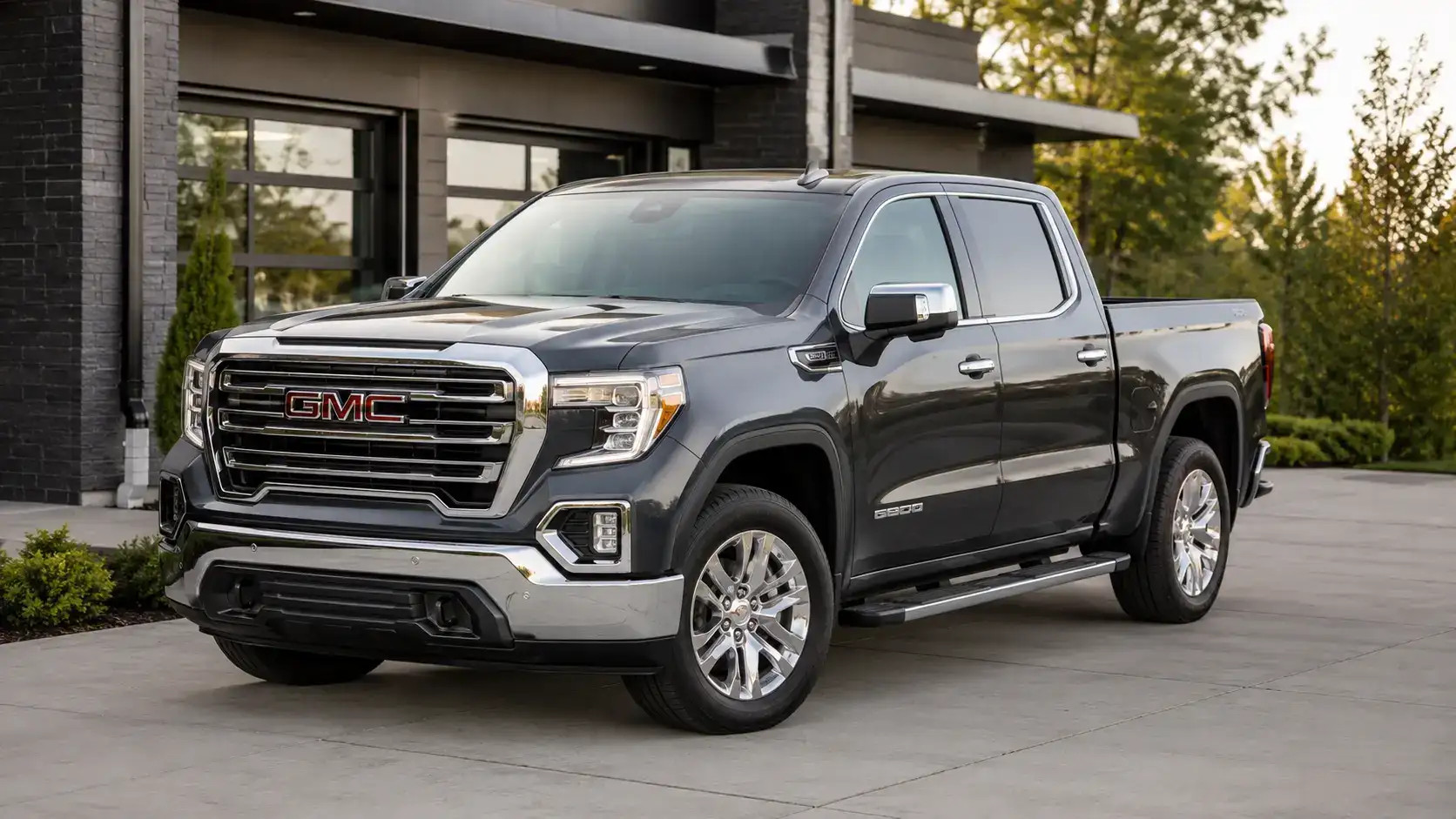
The GMC Sierra 1500 is one of America’s best-selling trucks, and the reliability question follows it everywhere: is the Sierra actually dependable, or is its sales volume a function of marketing and brand loyalty rather than mechanical merit? The honest answer is more nuanced than either enthusiasts or critics suggest. The Sierra 1500 has real documented strengths in reliability data and real documented weaknesses in specific components and model years. Both deserve clear explanation.
At Starling GMC in St. Cloud, our service department sees Sierra 1500s across every generation and mileage range. This guide synthesizes the available reliability data, RepairPal, Consumer Reports, J.D. Power, NHTSA complaints, with the specific problem patterns we observe in service to give you the most useful reliability picture available for this truck.
Is the GMC Sierra 1500 a Reliable Truck? The Short Answer
Yes, with qualifications. The Sierra 1500 is a reliably capable work vehicle with lower-than-average annual repair costs in the full-size truck segment, a repair frequency that is below the segment average, and a long history of 200,000-mile examples with proper maintenance. The qualifications are real: documented AFM/DFM lifter issues on V8 engines affect a meaningful number of trucks; the 6.2L V8 in 2021-2024 models carries an active NHTSA recall for a connecting rod and crankshaft defect; and Consumer Reports’ reliability scores vary significantly by model year, with some years rated ‘less reliable than average’ and others ‘more reliable than average.’ The Sierra is not the F-150 or Tacoma in terms of long-term reliability consensus, but it is not a problem-prone truck across its full population of owners, either.
GMC Sierra 1500 Reliability Ratings Explained
Four primary data sources track Sierra 1500 reliability from different angles: RepairPal aggregates repair shop data from millions of service visits; Consumer Reports surveys owners annually about specific trouble areas; J.D. Power measures initial quality (first 90 days) and long-term dependability (3 years); and NHTSA tracks complaints and initiates recalls based on safety-related concerns. Each source measures something different, and understanding what each one is measuring is the foundation for interpreting what the combined data says about the Sierra.
J.D. Power, Consumer Reports and RepairPal Scores
RepairPal rates the GMC Sierra 1500 at 3.5 out of 5.0, placing it 3rd out of 17 full-size trucks, a meaningful positive standing. The average annual repair cost per RepairPal is $727, compared to the full-size truck segment average of $936, $209 per year less than average. Repair frequency is 0.2 unscheduled shop visits per year, versus 0.3 for the segment and 0.4 for all vehicles. These numbers describe a truck whose repairs cost less and happen less frequently than the average full-size truck when they do occur. Consumer Reports’ reliability scores for the Sierra 1500 vary significantly by model year. The 2025 Sierra 1500 is rated ‘more reliable than other cars from the same model year’ per Consumer Reports’ subscriber survey data; the 2024 Sierra 1500 is rated ‘less reliable than other cars from the same model year.’ The variation reflects real year-to-year differences in the specific components and systems that generated owner complaints. J.D. Power’s 2024 Vehicle Dependability Study (measuring 2021 model years at 3 years of ownership) showed GMC at 206 problems per 100 vehicles, ranking 18th out of 29 manufacturers, below the industry average of 190 problems per 100 vehicles. This score reflects the concentrated infotainment and electrical complaints that affected 2021 Sierra models during that period.
NHTSA Safety Ratings and iSeeCars Quality Scores
NHTSA’s role in the Sierra’s reliability picture is primarily through recall activity rather than safety crash test ratings. Active recalls affecting the Sierra 1500 as of mid-2026 include recall N252494000 covering 2021-2024 Sierra 1500s with the 6.2L V8 for connecting rod and crankshaft defects that can cause engine failure. This is a significant recall affecting a specific engine in a specific model year range that buyers evaluating used or end-of-generation new 2024 trucks must verify has been completed. iSeeCars’ quality scores, which correlate with long-term owner satisfaction and reported problem rates, place the Sierra 1500 in the middle tier of full-size trucks, behind the Toyota Tundra and Ram 1500 in their analysis but ahead of the Ford F-150 in some year-specific comparisons.
Best GMC Sierra 1500 Model Years
Not all Sierra 1500s are equal, the specific model year is one of the most meaningful variables in predicting reliability, particularly within the current fourth generation (2019-2026). The best years to buy reflect lower complaint volumes, no major active recalls, and the cleanest combination of available technology and resolved production issues.
Most Dependable Years to Buy Used
Among the fourth generation (2019-2026) Sierra 1500s, the most dependable used purchases are concentrated in the 2019, 2023, and 2025 model years based on available data. The 2019 launch year of the current generation had fewer first-year issues than subsequent years because the platform had been developed under the 2018 launch plan and benefited from pre-launch validation, but 2019 trucks are now 7 years old and at mileages where maintenance history matters more than model year. Among more recent years, the 2023 Sierra 1500 represents the best balance of current-generation maturity, the absence of the 6.2L V8 recall volume that concentrated in 2021-2024, and enough owner data to confirm its standing. The 2025 Sierra 1500 shows a strong Consumer Reports score (‘more reliable than average’) but is a newer purchase with less long-term data.
Why These Years Stand Out
The 2023 Sierra 1500 stands out for specific reasons: the 2022 mid-cycle refresh’s infotainment updates were fully implemented and stabilized; the production quality issues that concentrated in 2021 (first year after the 2022 refresh platform changes) had been resolved; the 6.2L V8 recall’s highest-affected concentration was in 2021-2022 production, with the 2023 showing lower complaint rates per NHTSA data on the engine defect; and the overall NHTSA complaint volume for 2023 is lower than for 2021 and 2022. For buyers evaluating the used market for a Crew Cab 5.3L V8 Sierra, the most common configuration, the 2023 represents the best combination of resolved issues, current-generation technology, and reasonable pricing as a 2-3 year old vehicle.
Worst GMC Sierra 1500 Model Years to Avoid
Certain Sierra 1500 model years carry disproportionate documented problems that make them more cautious used purchases. The years requiring the most scrutiny are not necessarily problematic for every owner, but their documented issue rates are high enough to warrant specific due diligence before purchase.
Known Trouble Spots by Model Year
The 2021 Sierra 1500 is the year requiring the most caution in the current generation. It was the first full production year after the 2022 redesign, though confusingly the 2021 trucks preceded the redesign launch.
The 2021 carries the 6.2L V8 recall at the highest concentration of affected vehicles, infotainment complaint volume that was disproportionate in owner surveys (producing the below-average Consumer Reports prediction), and the AFM/DFM lifter concern on V8 engines that is documented in earlier 2021 production.
The 2014-2018 third-generation Sierra also deserves specific attention for AFM lifter failures in V8 engines, the AFM system on those trucks shows documented failure clustering around 119,500 miles in CarComplaints data, and a clean third-generation Sierra at high mileage without documented AFM-related service may be approaching that failure window.
Sierra 1500 Generations Ranked by Reliability
The Sierra 1500 has undergone multiple platform changes since 2007, and each generation carries distinct reliability characteristics that reflect the manufacturing technology, electronic systems, and engineering decisions of its era.
2nd Gen (2007-2013)
The 2007-2013 Sierra represented GM’s recovery period from bankruptcy and pre-bankruptcy financial constraints. These trucks have proven extremely durable for the owners who maintained them, many 2007-2013 Sierras have reached 200,000-plus miles on original engines and transmissions. The second generation’s primary documented concerns at high mileage include intake manifold gasket issues on the V8 engines, timing chain stretch on higher-mileage examples, and the beginning of the AFM system’s failure pattern on the 5.3L engines equipped with cylinder deactivation in later second-generation years. Overall, well-maintained 2007-2013 Sierras are among the most durable full-size trucks of their era.
3rd Gen (2014-2018)
The third-generation Sierra launched with a significant platform update including the EcoTec3 V8 engine family with AFM cylinder deactivation, new aluminum body panels, and improved interior quality. The EcoTec3 engines are more efficient than their predecessors and have proven capable of high mileage, but the AFM system’s documented lifter failure rate is higher on the 2014-2018 generation than on earlier trucks. Specific years to approach with the most caution: 2014 (first year of new platform, higher infotainment and technology complaint volume) and 2016-2018 (AFM lifter failure clustering around 100,000 to 130,000 miles in third-generation owner data). The 2017 Sierra 1500 shows above-average third-generation complaint volume across multiple categories.
4th Gen (2019-2026)
The fourth generation launched in 2019 with a new platform, the MultiPro Tailgate, significantly improved cabin quality, and the current-generation infotainment architecture. It received the most significant mid-cycle refresh of any Sierra generation for 2022, updating the front end, infotainment, and interior.
The fourth generation’s documented concerns: AFM/DFM lifter failures continue as a known issue on V8 engines; the 6.2L V8 in 2021-2024 carries the active NHTSA recall; and 10-speed automatic transmission complaints, particularly with rough shifting at low speed, have been documented across multiple model years. The 2022 refresh improved infotainment stability. The 2023-2025 years show cleaner reliability records than 2021-2022 within this generation.
What the 2027 Redesign Means for Long-Term Reliability
The 2027 Sierra 1500 replaces the 5.3L and 6.2L V8 engines with new 5.7L and 6.6L Gen 6 Small Block engines, addressing both the AFM/DFM concern (the new engines use updated cylinder deactivation architecture designed to address the previous generation’s failures) and the 6.2L recall issue (which applies only to 2021-2024 production). First-generation buyers of any new platform take on first-year risk; the conventional wisdom is to wait for the second or third model year of a new generation for the issue resolution that comes with production maturity. The 2027’s Gen 6 engines have undergone 11 years of dyno validation, the longest pre-production validation in Sierra V8 history, which suggests GM’s confidence in their durability. The actual reliability picture will only be established once 2027 trucks accumulate real-world mileage.
Most Common GMC Sierra 1500 Problems
The problems below account for the majority of the Sierra 1500’s documented warranty and out-of-warranty repair volume based on RepairPal, CarComplaints, and NHTSA data analysis. Understanding them before purchase allows buyers to make informed decisions and identify specific inspection priorities.
Transmission Shudder and 8-Speed Complaints
The 8-speed automatic transmission paired with the 6.2L V8 has generated the most significant complaint volume in the Sierra’s fourth generation. Complaints include rough low-speed engagement, shudder at highway speed that can feel like a tire balance issue, delayed engagement from stop, and in some cases transmission replacement at relatively low mileage. GM has issued technical service bulletins (TSBs) covering transmission calibration updates that address some of these concerns when applied at dealer service visits. For buyers evaluating a 2021-2024 Sierra with the 6.2L V8 and 8-speed: ask for documentation of any transmission-related service or software updates in the service history.
AFM / DFM Lifter Issues on V8 Engines
The Active Fuel Management (AFM) system on 2007-2018 Sierra 1500 trucks with the 5.3L V8, and the Dynamic Fuel Management (DFM) system on 2019+ trucks, use hydraulic lifters that can collapse prematurely, producing an engine tick, misfire, and potential camshaft damage if the failing lifter is not addressed quickly. CarComplaints data shows AFM lifter failures clustering around 119,500 miles on 2014-2018 Sierra 1500s. The repair cost for a lifter replacement without camshaft damage runs $1,200 to $2,500; with camshaft damage, $3,500 to $8,000. The most important Sierra ownership habit for V8 trucks: never defer investigation of a new engine tick. A new tick from a warm engine under light load is an early AFM/DFM warning at its least expensive intervention point.
Electrical, Infotainment and Sensor Faults
The 2021-2022 Sierra 1500 generation’s infotainment system generated the highest complaint concentration of any Sierra component in owner surveys, screen freezes, reboot cycles, backup camera dropouts, and Bluetooth connectivity issues. GM’s 2022 refresh improved infotainment stability, and over-the-air software updates have addressed most documented bugs on affected vehicles. Sensor-related complaints, including forward collision system false activations, lane departure warning sensitivity, and adaptive cruise control behavior, represent the second-largest electrical complaint category and reflect the growing complexity of ADAS systems that are more sensitive to calibration than traditional mechanical components.
Open Recalls: How to Check Your VIN
Every prospective Sierra 1500 buyer, new or used, should run the specific vehicle’s VIN through nhtsa.gov before finalizing any purchase. The 6.2L V8 recall (NHTSA recall N252494000) affecting 2021-2024 Sierra 1500s is the most significant active recall and must be verified as completed on any vehicle in that model year and engine combination. Open recalls on a used vehicle become the buyer’s problem after purchase unless disclosed and completed before the sale. Our service department at Starling GMC can run a VIN recall check and complete any open recall service for any Sierra, including used vehicles not purchased from us.
GMC Sierra 1500 Maintenance Costs
The Sierra 1500’s ownership cost is one of its stronger competitive arguments in long-term financial comparisons: below-average annual repair cost, widely available service infrastructure, and parts availability through a massive GM dealer and independent aftermarket network.
Annual Cost of Ownership vs Segment Average
RepairPal’s aggregated data shows the Sierra 1500’s average annual unscheduled repair cost at $727, compared to the full-size truck segment average of $936 and the all-vehicle average of $652. The Sierra’s repair cost is 22 percent below the full-size truck segment average, reflecting lower repair frequency (0.2 visits per year vs 0.3 for the segment) and a 15 percent severe-repair probability (vs 18 percent segment average). Over a five-year ownership period at these averages, the Sierra saves approximately $1,000 in unscheduled repair costs compared to the average full-size truck, not the largest ownership cost factor, but a meaningful positive element in the Sierra’s total cost calculation alongside fuel costs that are comparable to segment competitors.
Recommended Service Intervals
In Florida’s specific climate, the following service intervals are appropriate for Sierra 1500 ownership, adjusted from the national schedule for our heat and humidity conditions: oil changes at 5,000 miles (not the extended intervals the Oil Life Monitor sometimes permits in moderate climates); transmission fluid service at 60,000 to 80,000 miles regardless of ‘lifetime fluid’ designations; coolant flush at 5 years maximum; cabin air filter at 12,000 miles given Florida’s high pollen and particulate environment; and an annual battery load test given Florida’s heat-accelerated battery degradation. At Starling GMC’s certified service department, we apply these Florida-specific intervals to every Sierra service visit recommendation.
Sierra 1500 vs Chevrolet Silverado 1500 Reliability
The GMC Sierra 1500 and Chevrolet Silverado 1500 are mechanically identical, same platform, same engines, same transmission, same fundamental electrical architecture. Their reliability differences in published data reflect the different buyer populations that each brand attracts and the different standard content configurations that produce different complaint patterns, not any mechanical difference between the trucks. Consumer Reports’ scores for the Sierra and Silverado are typically within a few points of each other in any given model year, with neither consistently leading the other in the data. The practical conclusion: from a reliability perspective, the choice between Sierra and Silverado is a brand and content preference decision, not a reliability-driven decision. Both trucks will deliver the same fundamental ownership experience in terms of repair frequency and cost.
Sierra 1500 vs Ford F-150 vs Ram 1500 Reliability
The full-size truck reliability comparison is the most competitive and most contested in the automotive space. The F-150 and Ram 1500 are the Sierra’s primary competitors, and each has relative strengths and weaknesses in the reliability data. The Ford F-150 has historically shown stronger long-term reliability scores in Consumer Reports surveys, with the Ram 1500’s coil-spring rear suspension being frequently cited as a durability advantage for towing and high-load use. The Sierra’s RepairPal ranking of 3rd out of 17 full-size trucks is above the F-150’s ranking in some years and below in others, with the comparison shifting based on specific model years and the issues affecting each truck’s current generation. The honest assessment: all three trucks are adequate for most buyers’ long-term needs when properly maintained, with the specific model year and configuration mattering more than the brand in predicting any individual truck’s reliability trajectory.
How Florida Heat, Humidity and Salt Air Affect Truck Longevity
The Sierra 1500’s published national reliability data describes trucks operated in a national-average environment. St. Cloud and Osceola County’s environment is meaningfully more demanding, and understanding the specific Florida climate factors that accelerate component wear is the basis for the maintenance adjustments described above.
Cooling System, Battery and Undercarriage Care in St. Cloud
Three specific maintenance priorities for Sierra 1500 owners in Osceola County: first, cooling system health. The Sierra’s EcoTec3 V8 engines operate in Florida’s heat with 30 to 35 fewer degrees of ambient thermal headroom than the national maintenance schedule assumes, making the 5-year coolant flush interval non-negotiable and making summer pre-season cooling system inspection a high-priority service.
Second, battery replacement. Florida heat degrades battery chemistry approximately 35 percent faster than temperate climates, the Sierra 1500’s battery should be load-tested annually and proactively replaced at three years regardless of apparent starting performance. Third, undercarriage care for trucks within five miles of the Indian River system or any coastal waterway: monthly undercarriage rinse removes salt deposits from brake lines, suspension components, and frame surfaces that produce accelerated corrosion in coastal Brevard and Osceola County conditions, even for trucks that do not directly access saltwater environments.
Frequently Asked Questions
These are the most common Sierra 1500 reliability questions at Starling GMC St. Cloud.
How many miles will a Sierra 1500 last?
With proper maintenance, a Sierra 1500 regularly reaches 200,000 to 300,000 miles on its original engine. The trucks most likely to reach those milestones are the ones with documented oil changes at appropriate intervals, cooling system maintenance on schedule, and AFM/DFM-related engine ticks addressed early when they appear. Trucks operated primarily on highways rather than in stop-and-go conditions and with proactive maintenance consistently reach the high end of this range.
Which Sierra engine is the most reliable?
The 3.0L Duramax diesel has the strongest long-term durability case based on diesel engine fundamentals: lower RPM under load, higher torque without high-RPM stress, and a design built for sustained use. Among the gasoline engines, the 5.3L V8 has the most long-term mileage data, it is the most commonly high-mileage Sierra engine simply because it is the most common Sierra engine. The 6.2L V8 carries the active 2021-2024 recall that makes specific VIN verification essential for trucks in that model year range. The 2.7L TurboMax is the newest engine with the least long-term data but is tracking toward 200,000-mile longevity based on owner reports at 50,000 to 100,000 miles.
Shop Certified Pre-Owned Sierra 1500s at Starling GMC St. Cloud
Starling GMC’s Certified Pre-Owned Sierra 1500 inventory represents the vetted path to used Sierra ownership: every CPO Sierra has passed a 172-point inspection, had all open recalls completed, and received the 6-year/100,000-mile GMC powertrain warranty from the original in-service date plus a 12-month/12,000-mile bumper-to-bumper warranty. For buyers who want a Sierra 1500 with documented quality assurance rather than the uncertainty of private-market used truck purchases, our CPO inventory is the starting point.
Schedule Service at Our Certified GMC Service Center
For Sierra 1500 owners managing existing vehicles through the maintenance challenges described in this guide, AFM/DFM concerns, cooling system service, battery testing, or the 6.2L recall verification, Starling GMC’s certified service department at 1001 E Highway 192 in St. Cloud handles all Sierra-specific maintenance and recall work. Contact us to schedule a diagnostic visit, a pre-purchase inspection on a private-market truck, or your annual summer service check.
Conclusion
The GMC Sierra 1500’s reliability record is positive on the aggregate metrics that matter most, below-average annual repair cost, below-average repair frequency, and RepairPal’s 3rd-of-17 ranking among full-size trucks, while carrying real documented concerns in specific components and model years. AFM/DFM lifter failures on V8 engines, the 6.2L V8 recall on 2021-2024 trucks, and infotainment quality variation across model years are the specific issues that buyers should understand and account for with targeted due diligence.
The best used Sierra 1500 purchases are in the 2023 and 2025 model years for the fourth generation. Florida-specific maintenance adjustments, earlier oil change intervals, annual battery load testing, proactive coolant service, and coastal undercarriage care, are the habits that maximize Sierra longevity in our climate. Visit Starling GMC at 1001 E Highway 192 in St. Cloud for CPO Sierra inventory, pre-purchase inspections, and certified service.

0 comment(s) so far on GMC Sierra 1500 Reliability: Ratings, Best Years & Common Problems